
The Role of Risk and Reward in Gaming
Casino gaming strategies are heavily influenced by the psychological principles of risk and reward. Players are often drawn to the potential for significant payouts, which can create a thrilling environment that encourages risk-taking behavior. This relationship between risk and reward can trigger a dopamine response in the brain, reinforcing the desire to engage in gaming activities. Additionally, newcomers to gaming might explore no kyc casinos, emphasizing the importance of understanding this motivation for both players and operators in the casino industry.

Moreover, the perceived likelihood of winning plays a significant role in how players approach their strategies. Gamblers tend to create mental frameworks that help them make decisions, often overestimating their chances of winning or underestimating the house edge. This cognitive bias can lead players to adopt strategies that may not be statistically beneficial but feel rewarding in the moment.
Cognitive Biases and Their Influence
Cognitive biases are systematic patterns of deviation from norm or rationality in judgment, and they significantly influence gambling behaviors. One common bias is the “gambler’s fallacy,” where individuals believe that past random events affect future outcomes. For instance, players might think that after a series of losses, a win is “due,” which can lead them to increase their bets contrary to statistical probabilities.
Additionally, the illusion of control is another cognitive bias prevalent among casino gamers. Many believe that they can influence the outcome of games of chance through skill or strategy, even in inherently random games like slots or roulette. This belief can lead to a false sense of security and can affect how they approach their gaming strategies, often resulting in irrational decision-making.
The Impact of Environment on Gaming Behavior
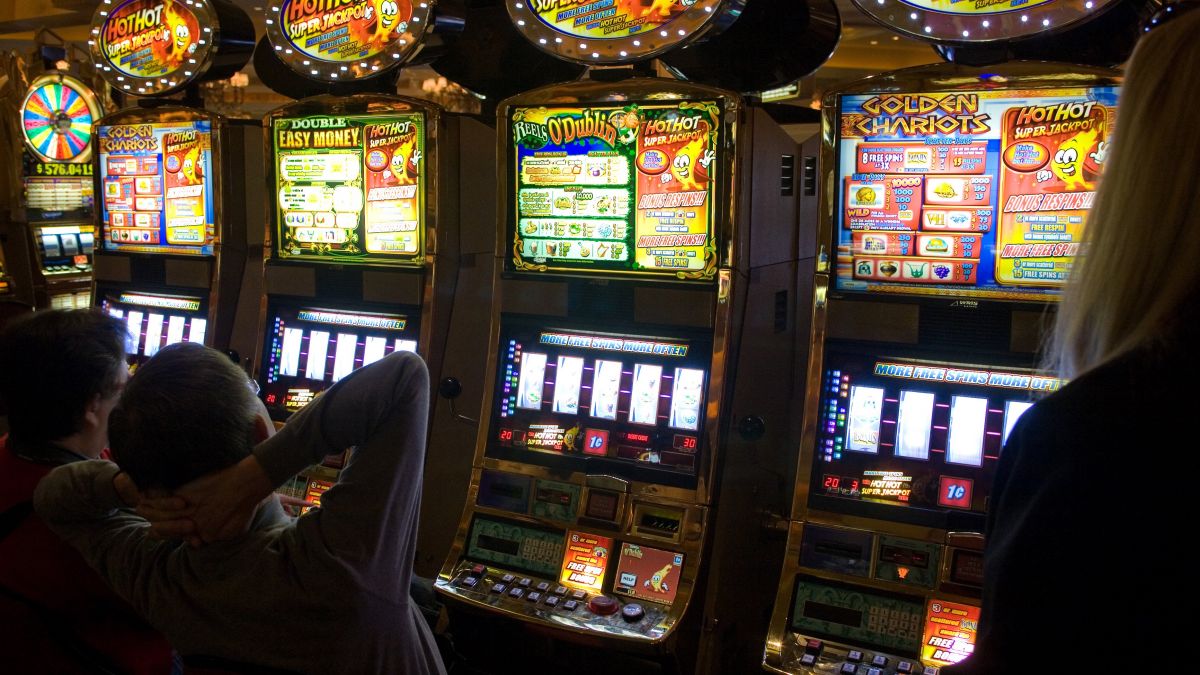
The physical environment of a casino can significantly impact a player’s psychology and gaming strategy. Casinos are designed to create an engaging atmosphere that keeps players inside and encourages them to gamble longer. Elements such as lighting, sound, and layout are tailored to maximize excitement and minimize distractions, which can influence how players think and behave while gambling.
Moreover, the presence of others can amplify social dynamics, impacting individual decisions. Players may feel compelled to adopt certain strategies based on what they observe in others around them, which can lead to a herd mentality. This phenomenon can encourage riskier bets or group decisions, sometimes detracting from individual strategy development based on personal understanding of the games.
Emotional Factors in Gambling Decisions
Emotions play a crucial role in decision-making processes, especially in high-stakes environments like casinos. Players often experience a range of feelings, from excitement and anticipation to anxiety and frustration, which can cloud judgment and affect their gaming strategies. For example, a player in a euphoric state after a win may continue to gamble aggressively, neglecting rational assessments of risk.
Additionally, the experience of loss can lead to emotional responses such as chasing losses or increased betting in an effort to regain previously lost amounts. This behavior, often referred to as “loss chasing,” can exacerbate financial difficulties and lead to a cycle of emotional gambling that undermines responsible gaming strategies.
Enhancing Language Skills for Gamblers
For those interested in enhancing their understanding of casino gaming strategies, developing language skills is essential. Engaging with educational content, particularly in English, can provide deeper insights into gambling psychology and strategies. Learning the terminology and nuances of gaming can empower players to make informed decisions based on comprehensive knowledge.
Websites that cater to English language learners can offer invaluable resources, such as articles, videos, and interactive tutorials focused on the psychology of gambling. By improving language skills, individuals can better grasp complex concepts and engage critically with the strategies that govern casino gaming, ultimately fostering a more responsible and informed gaming experience.